
Breast Lift Revision in Scottsdale, AZ

If you’re dissatisfied with the results of a previous breast lift, a revision procedure offers a personalized solution to refine your results and restore confidence. We offer cosmetic revision surgery, and do not offer reconstructive revision. Whether you’re dealing with persistent sagging, asymmetry, scarring, or changes in breast shape, the skilled surgeons at Forma Plastic Surgery – Dr. David C. Yao, MD, FACS, Dr. Vas N. Sabeeh, DO, FACS, and Dr. Molly F. Walsh, DO – can help you achieve a more elevated, youthful, and symmetrical breast contour through carefully planned revision surgery.
What Is a Breast Lift Revision?

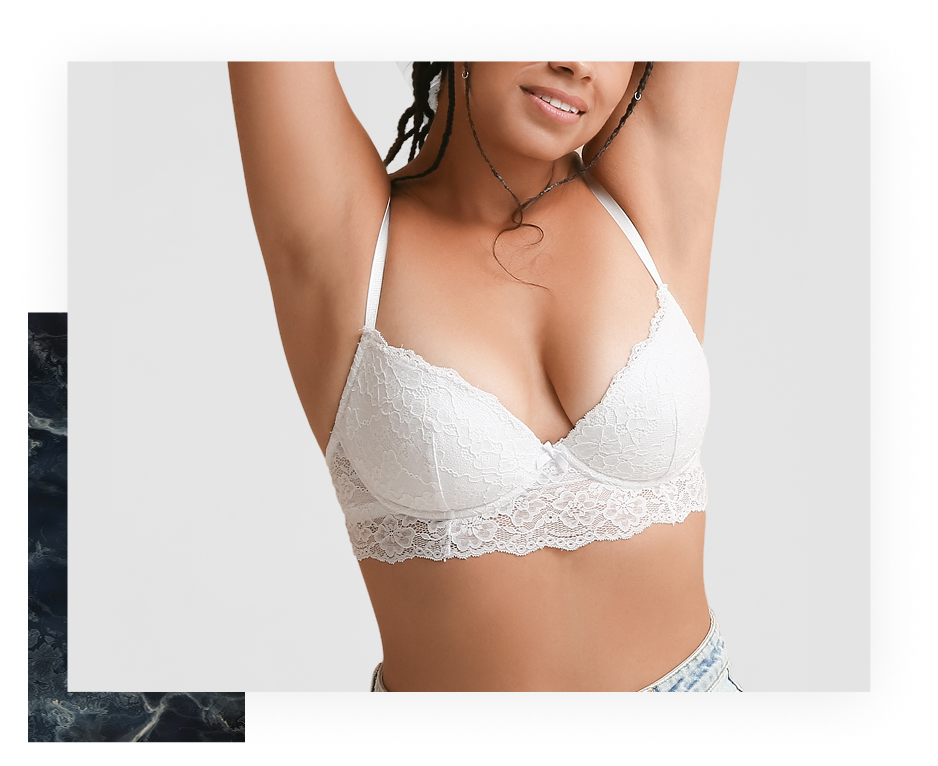
A breast lift revision, also known as revision mastopexy, is a secondary procedure performed to improve or correct the outcome of a prior breast lift. Whether due to the natural effects of aging, pregnancy, weight changes, or dissatisfaction with a previous result, revision surgery is designed to refine the shape, position, and appearance of the breasts.

Please note that we offer cosmetic revision surgery only – we do not offer reconstructive revision. This procedure is highly individualized and focuses on achieving better balance, projection, and lift.
Before & Afters

View Our Breast Lift Revision Before & Afters

Breast Lift Revision Overview

A breast lift revision may involve reshaping the breast tissue, repositioning the nipples, removing excess skin, and improving the appearance of scars. The revision process can correct complications, such as droopiness that returned after surgery, uneven results, or stretched-out skin. It may also address nipple placement that looks unnatural or results that no longer reflect your preferences. In some cases, the revision may be combined with other procedures, such as implant removal or breast augmentation, to enhance overall shape and fullness.

Consultation and Preparation

Your revision journey begins with a thorough consultation at Forma Plastic Surgery. During this visit, your surgeon will review your surgical and medical history, evaluate your current breast condition, and listen to your concerns. You’ll have an open discussion about your goals and what you hope to improve or change from your original lift. Proper planning is critical for revision surgery, which often requires careful assessment of previous incisions, scar tissue, and tissue integrity. You may be asked to complete lab work, stop smoking, or adjust medications before your procedure. Your surgeon will ensure you are fully informed and confident moving forward with a plan tailored specifically to your anatomy and needs.

What Happens During a Breast Lift Revision Procedure?

The surgical approach for breast lift revision depends on your individual needs and previous surgery. It typically involves removing excess skin, reshaping breast tissue, lifting the nipple-areola complex, and revising old scars for a cleaner, more aesthetically pleasing outcome. If asymmetry or implant-related concerns exist, additional steps may be taken to correct those as well. Techniques may include anchor, lollipop, or crescent incisions – your surgeon will determine the most effective method based on your goals.

Breast lift revision is typically performed under general anesthesia to ensure comfort throughout the procedure. Careful monitoring protocols are followed to prioritize patient safety at every stage of surgery.
Precise markings are made on the skin to guide reshaping and repositioning. These markings reflect your individual surgical goals, taking into account nipple position, breast symmetry, and overall contour. This stage is especially important in revision cases, where previous incisions, scar placement, and tissue changes must be thoughtfully considered to create balanced and refined results.
The incision pattern used in a breast lift revision depends on the extent of correction required and the existing scar pattern. Common approaches may include anchor, lollipop, or crescent techniques. In some cases, a previous inframammary incision may be revised or incorporated into the new design to improve scar appearance and contour. The goal is to use the most effective method while minimizing additional visible scarring whenever possible.
A critical component of revision surgery involves reshaping the breast tissue to restore firmness, projection, and upper pole fullness. During this step, underlying structures are repositioned and secured to create improved support and a more youthful contour. Adjustments are made not only to the internal tissue but also to the surrounding tissue to ensure harmony between the lifted breast and the chest wall.
If the nipples sit too low or appear asymmetrical following a prior procedure, they are carefully elevated to a more ideal position. This often involves repositioning them higher on the breast mound while preserving sensation and circulation. Placement is determined by chest proportions and the relationship to the breast fold, ensuring a proportionate appearance.
In cases involving implants, additional adjustments may be made. This could include modifying implant position, removing implants, or combining the revision with augmentation for enhanced volume. The approach is guided by your anatomy and personal aesthetic preferences, with the aim of creating natural-looking results.
Throughout the procedure, meticulous adjustments are made to improve projection and restore a natural shape. Internal suturing techniques may be used to support the lifted tissue and maintain long-term positioning. Each step is performed with attention to proportion, symmetry, and smooth contour transitions, especially in areas previously affected by stretching or sagging.
Once reshaping and repositioning are complete, incisions are carefully closed in a layered fashion to promote optimal healing and improved scar quality. The final contour is evaluated before dressings are applied to ensure alignment with the surgical plan. At this stage, our plastic surgeon confirms that the breasts appear elevated, symmetrical, and refined.

Add-On Procedures

Some patients choose to enhance their revision results with implant exchange, removal, or body contouring procedures such as liposuction or a tummy tuck. Combining treatments can provide more comprehensive and satisfying aesthetic results.
Recovery After Breast Lift Revision

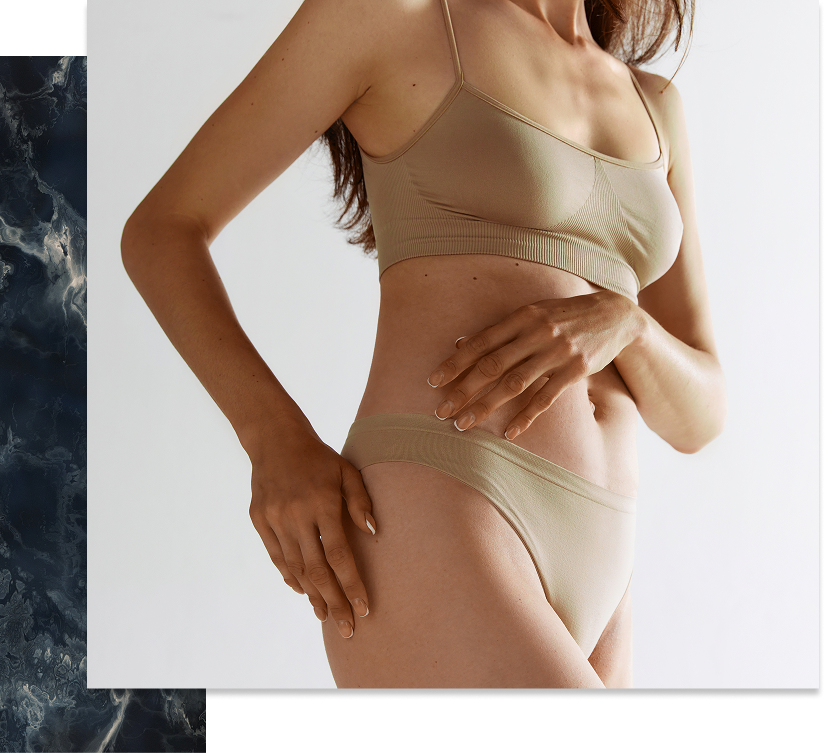
Recovery from breast lift revision is similar to your initial mastopexy but may vary based on the complexity of your case. After surgery, expect mild to moderate swelling, bruising, and temporary discomfort, which can be well-managed with prescribed medications and proper support garments. You will be given detailed instructions for wound care, activity limitations, and garment usage to ensure optimal healing.

Most patients feel well enough to return to light work or daily tasks within 1–2 weeks. Exercise and heavier activity can typically be resumed after 4–6 weeks, depending on your surgeon’s guidance. As the swelling subsides over time, your final breast shape and position will gradually reveal itself, typically over the course of several months. Please note that recovery varies from patient to patient.

Results and Expectations

Initial improvements are often noticeable soon after surgery, with continued enhancement over the following weeks and months as swelling reduces and tissues settle. Breast lift revision can restore a more youthful contour and correct previously unsatisfying results. When performed by an experienced surgeon using the right technique, the outcome is natural-looking and long-lasting. While gravity and aging will continue to affect the breasts over time, your improved shape and confidence can be maintained for years with healthy habits and stable weight.

Ideal Candidate for Breast Lift Revision

The ideal candidate for breast lift revision is someone who has previously undergone a breast lift and is no longer happy with the results. This could be due to recurrent sagging, asymmetry, visible scars, stretched skin, or dissatisfaction with nipple position or breast shape. Candidates should be in good general health, non-smokers (or willing to stop), and maintain a stable weight. Most importantly, they should have realistic expectations and a clear understanding of what revision surgery can accomplish. A consultation with the team at Forma Plastic Surgery will help determine whether revision mastopexy is right for you.

Please note: Breast lift revision is a highly specialized procedure that requires careful consideration. Not all patients are accepted. Candidacy is determined on a case-by-case basis, and a consultation is required to evaluate your candidacy.

Benefits of Breast Lift Revision

Breast lift revision offers significant improvements for women who are unhappy with a previous lift, providing:

Cost of Breast Lift Revision in Scottsdale, AZ

The cost of breast lift revision in Scottsdale typically ranges from $10,000 to $20,000, depending on the complexity of the revision, whether additional procedures such as implant removal or replacement are performed, and the extent of surgical time required. Because this is a highly individualized surgery, exact pricing is provided after your personal consultation. At Forma Plastic Surgery, we also offer flexible payment and financing options to help make your procedure more accessible, ensuring that you can move forward with confidence and peace of mind.

Why Choose Forma Plastic Surgery?

Forma Plastic Surgery in Scottsdale is home to a team of board-certified plastic surgeons who bring unmatched expertise and a patient-first philosophy to every procedure. Our doctors understand the complexity and emotional weight that can come with correcting unsatisfying surgical outcomes. With advanced techniques, attentive care, and a personalized approach, our team is here to help you achieve the lifted look you envisioned – safely and confidently.

Breast Revision FAQs

While every surgical procedure and patient is unique, there are several important steps that can help support your recovery. Carefully following your post-operative instructions, wearing your surgical garment as directed, and avoiding strenuous activity during the early stages of the healing process are all essential. You may also be advised to avoid certain medications or supplements that could increase swelling or bruising. Maintaining a healthy diet, staying hydrated, and refraining from smoking can further promote proper healing and help minimize scarring.
It’s important to remember that revision surgery involves previously operated tissue, which can sometimes require a bit more patience during recovery. However, most women can return to light daily activities within a reasonable timeframe when they follow their surgeon’s guidance closely. Taking the proper precautions not only supports healing but also helps protect your results, ensuring smooth contours and natural-looking results for your new breasts.
Yes, in many cases, a revision procedure can be combined with augmentation to improve both shape and volume. If you have undergone previous breast surgery and desire more fullness, your surgeon can evaluate whether adding silicone implants or saline implants is appropriate as part of your specific procedure. The decision depends on your anatomy, tissue quality, and aesthetic goals.
During surgery, adjustments may be made to the existing breast pocket to improve implant positioning or symmetry. In some cases, a new implant may be selected to better match your desired implant size and proportions. Combining revision with augmentation can enhance upper-pole fullness and overall contour while still addressing sagging, asymmetry, or prior implant-related issues.
Yes, a breast implant revision procedure can be performed to address capsular contracture and other concerns that may develop after an initial breast augmentation procedure. Capsular contracture occurs when scar tissue around the implant tightens, potentially causing firmness, distortion, or discomfort. When this complication occurs, surgery may be recommended to release or remove the scar tissue and restore a more natural breast shape.
In addition to capsular contracture, revision may also address implant rupture, visible rippling, or other implant complications. During surgery, the original implants may be removed and replaced, and the old implant pocket may be modified or reconstructed to improve positioning. Concerns such as a double-bubble deformity or an implant malposition relative to the inframammary fold can also be corrected. Each surgical plan is tailored to the patient’s anatomy and goals to restore comfort, symmetry, and aesthetic balance.
Related Procedures
*Individual results are not guaranteed and may vary from person to person. Images may contain models.